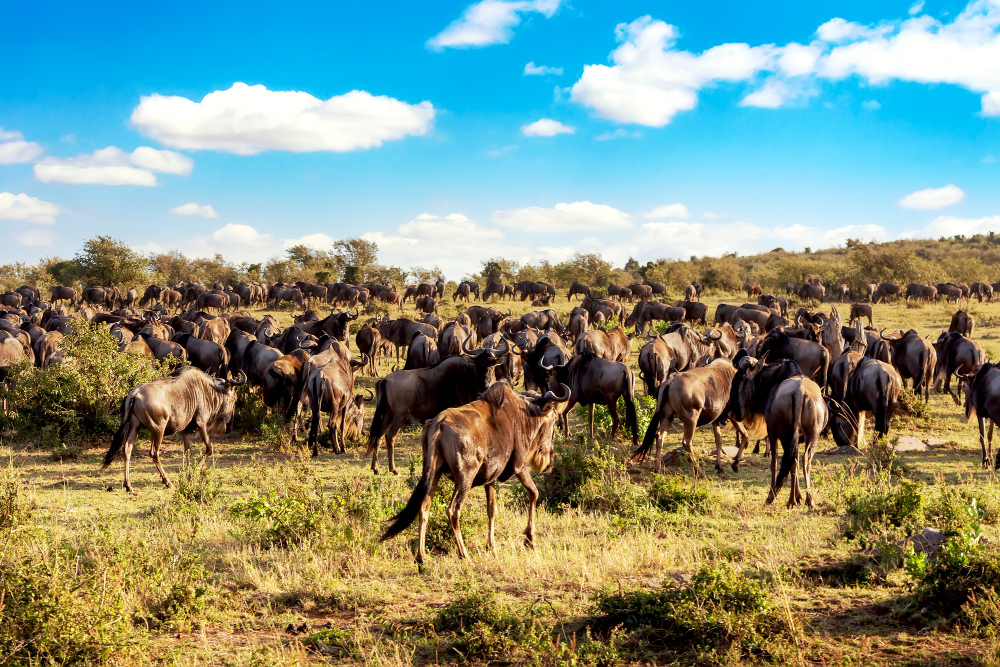
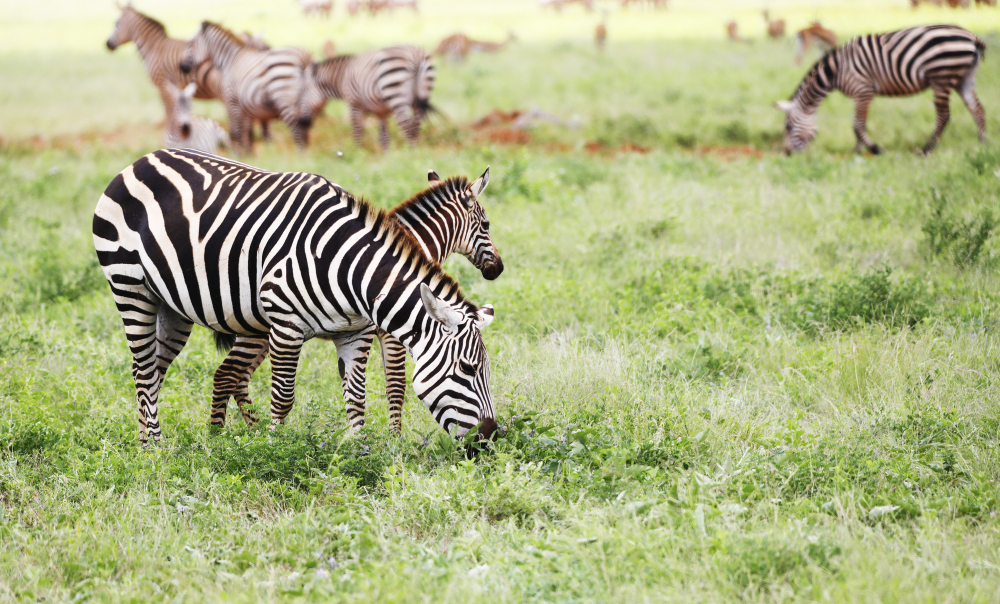
Wildebeest Migration Viewing offers travellers observing the movement of wildebeest and zebra herds in response to grazing and rain. You can arrange it in the Serengeti ecosystem in Tanzania and the Maasai Mara region of Kenya, choosing a route that matches your available time, fitness and interests. This guide explains how to prepare, what you may experience and the questions worth asking before confirming your safari.
Understanding the experience
Start with what the outing actually involves for Wildebeest Migration Viewing
Wildebeest Migration Viewing centres on observing the movement of wildebeest and zebra herds in response to grazing and rain. It is best approached as an organised outdoor experience rather than an attraction with a fixed performance. The person leading the outing matters: you will rely on a trained safari guide who follows park rules and checks recent wildlife movements. Ask how the route is chosen, what will happen if conditions change and how much time visitors actually spend observing. That conversation helps you judge whether the activity fits your interests and travel style. Be prepared to follow the leader rather than set your own pace.
Where you can take part
Match the activity to the right destination for Wildebeest Migration Viewing
You can plan this experience in the Serengeti ecosystem in Tanzania and the Maasai Mara region of Kenya. The settings are different, so it helps to choose the place before comparing transport or accommodation. A journey that looks short on a map may include slow park roads, a separate visitor gate or a reporting point far from your lodge. Ask your organiser to name the precise departure point in writing. Choosing a destination only because it is famous can lead to a longer transfer and less time in the field.
How a typical day unfolds
Build the day around reporting times for Wildebeest Migration Viewing
A realistic day begins with a flexible itinerary that considers current herd locations rather than promising a crossing. Expect a briefing that explains the outing and the conduct expected from visitors. Your guide will adjust decisions according to the conditions on the ground, not simply to match a printed timetable. Leave time for reaching the starting point, doing the activity and returning comfortably. If another attraction is booked for the afternoon, ask whether the connection is sensible. A practical day has time for water, breaks and a change of clothing if needed.
What you may see
Keep your expectations realistic for Wildebeest Migration Viewing
Depending on the habitat and conditions, you might encounter wildebeest, zebra, attendant predators and other plains wildlife. Observation is always shaped by weather, animal movement and the choices of the guide. It is more rewarding to watch natural behaviour carefully than to pursue a single photograph or tick off an unrealistic list. Take time to notice tracks, calls and changes in vegetation. A good guide can explain the smaller details when a dramatic sighting does not happen. Ask questions without disturbing wildlife or other visitors.
Choosing the best time
Plan around weather and seasonality for Wildebeest Migration Viewing
In planning the calendar, remember that herd movements depend on rainfall, grazing and seasonal cycles, and exact dates cannot be guaranteed. A month often described as dry may still bring a sudden shower, and a wetter month can include clear mornings. Compare seasonal travel advice with your ability to walk or spend time outdoors. If your holiday dates are fixed, preparation usually makes more difference than searching for a promise of perfect conditions. Check opening rules and available bookings for your chosen travel dates before committing to a complex itinerary.
Physical effort and accessibility
Discuss the practical demands for Wildebeest Migration Viewing
For many travellers the biggest practical consideration is long vehicle journeys and uncertainty about where herds will be found. Tell your safari company about walking limitations, the ages of travellers and any preference for a slower pace. They can explain available options, but it would be misleading to guarantee an easy route or a particular wildlife sighting. Build enough recovery time into the day. When travelling as a family or mixed-ability group, check participant requirements before buying permits or making non-refundable accommodation payments.
What to pack
Prepare your day bag for Wildebeest Migration Viewing
Useful items include binoculars, sun protection, camera batteries and patience. Choose clothing that is comfortable and can tolerate dust, moisture or brush as appropriate. A small bag with drinking water, a charged phone, necessary medication and protection for documents is often more useful than bulky equipment. Check whether lunch or drinking water is supplied. Test shoes and camera straps before travelling. A spare change of clothes at your accommodation can make the return from an outdoor excursion much more pleasant.
Rules and responsible travel
Protect wildlife and local communities for Wildebeest Migration Viewing
Responsible participation begins with a simple rule: never instruct a driver to block an animal crossing or leave permitted roads. The guide may ask you to move, wait quietly or remain at a designated position, even when the better photograph seems to be elsewhere. Those restrictions exist to protect visitors and the environment. Avoid feeding animals, leaving litter or pressing other guests to ignore instructions. If you are uncertain about an action, ask first. Respect the people working in the park and the nearby communities whose land and livelihoods connect with tourism.
Booking and permits
Confirm every reservation detail for Wildebeest Migration Viewing
Before paying, ask exactly what is included in the booking for Wildebeest Migration Viewing. You should be told whether you need a flexible itinerary that considers current herd locations rather than promising a crossing, and which costs are paid directly on arrival. Obtain a written confirmation that lists the date, number of participants, starting point and cancellation conditions. Local regulations and charges can change, so use current information supplied by the authorised provider. Keep digital and offline copies of important confirmations. Make sure the operator knows the correct spelling of each traveller’s name when permits are required.
Photography and observation
Leave room for the unexpected for Wildebeest Migration Viewing
Photography is easier when you understand observing the movement of wildebeest and zebra herds in response to grazing and rain. Carry a camera you can operate quickly, but avoid sacrificing the actual experience for a perfect shot. Lighting and distances may be difficult, while animals and people may move unpredictably. Listen for the guide’s instructions about flash, position and photography consent. Binoculars can be valuable even if you mostly use a mobile phone. Pause occasionally to observe without a screen; small details often explain more about the activity than a single wide photograph.
Choosing accommodation
Stay close to the correct starting point for Wildebeest Migration Viewing
Choose a place to stay based on access to the Serengeti ecosystem in Tanzania and the Maasai Mara region of Kenya, not just a beautiful room photograph. Ask the operator how long the transfer normally takes and whether early departures are required. Confirm meal arrangements for mornings when breakfast is served before sunrise or packed food is needed. If the property sits in another region, a seemingly small booking mistake can become a difficult drive. Travelling the evening before is sometimes the sensible option, particularly for activities requiring permits or a fixed reporting time.
Combining activities in one safari
Give each experience enough time for Wildebeest Migration Viewing
A rewarding itinerary might connect Wildebeest Migration Viewing with time at Serengeti National Park. Choose the number of experiences according to your holiday length and the travel required between them. Wildlife programmes can involve early starts on consecutive days, and it is worth planning a quieter afternoon between demanding outings. Ask about transfer routes before assuming that two activities located in the same country are close together. Allow flexibility for weather, slower roads and park briefings so the holiday remains comfortable.
Common planning mistakes
Avoid unnecessary schedule pressure for Wildebeest Migration Viewing
One common mistake is to assume that observing the movement of wildebeest and zebra herds in response to grazing and rain happens on a timetable controlled entirely by tourists. Another is booking accommodation before confirming the right entrance or date. You should also avoid relying on old permit rates, promising a specific animal encounter or leaving no room for journey delays. The most useful preparation is simple: check the booking conditions, agree on a realistic schedule and understand what changes are possible. A river crossing is a possibility, not an included guaranteed event.
Questions to ask your operator
Check before making payments for Wildebeest Migration Viewing
Ask who will lead Wildebeest Migration Viewing, what they do if conditions change, how participants get to the meeting point and whether binoculars, sun protection, camera batteries and patience is appropriate. Request a clear explanation of required permits, cancellations, age restrictions and insurance where relevant. Verify how meals, guiding and transfers appear on the invoice. If the activity is unsuitable for a member of your party, ask for a practical alternative rather than waiting until arrival. A detailed written plan is more useful than a vague guarantee of an unforgettable day.
Wildebeest Migration Viewing preparation checklist
- Confirm the correct meeting point and departure time.
- Check permits, entry rules and age requirements before paying.
- Pack the appropriate clothing, water and any prescribed medication.
- Agree on a realistic return time with the guide.
- Respect wildlife, local residents and protected areas.
To understand the setting, read our guide to Serengeti National Park. For a trip that can incorporate this experience, explore the 8 Days Tanzania Great Migration and Wildlife Safari itinerary and confirm which excursions are included before booking.